- Permit-approved trees of all sizes, with equipment matched to the job.
- Stump work, root removal and haul-off defined in your quote.
- A cleared footprint for your next stage of property preparation.
Charleston Bush Hogging ServiceBush Hogging, Forestry Mulching, Land Clearing & Grading
Charleston Bush Hogging Service approaches land clearing differently than most companies. We use specialized equipment based on the specific job type.
Our services include:
- Land Clearing
- Forestry Mulching
- Bush Hogging
- Tree Removal
- Grading
We have over 21 years of business development, land development, and customer service. Charleston lots can mix tall grass, greenbrier, privet and young pine beneath live oaks. We plan around the trees you want to keep, wet ground and marsh edges, then match the equipment to the growth and access.

Projects
Forestry Mulching in Johns Island, SC
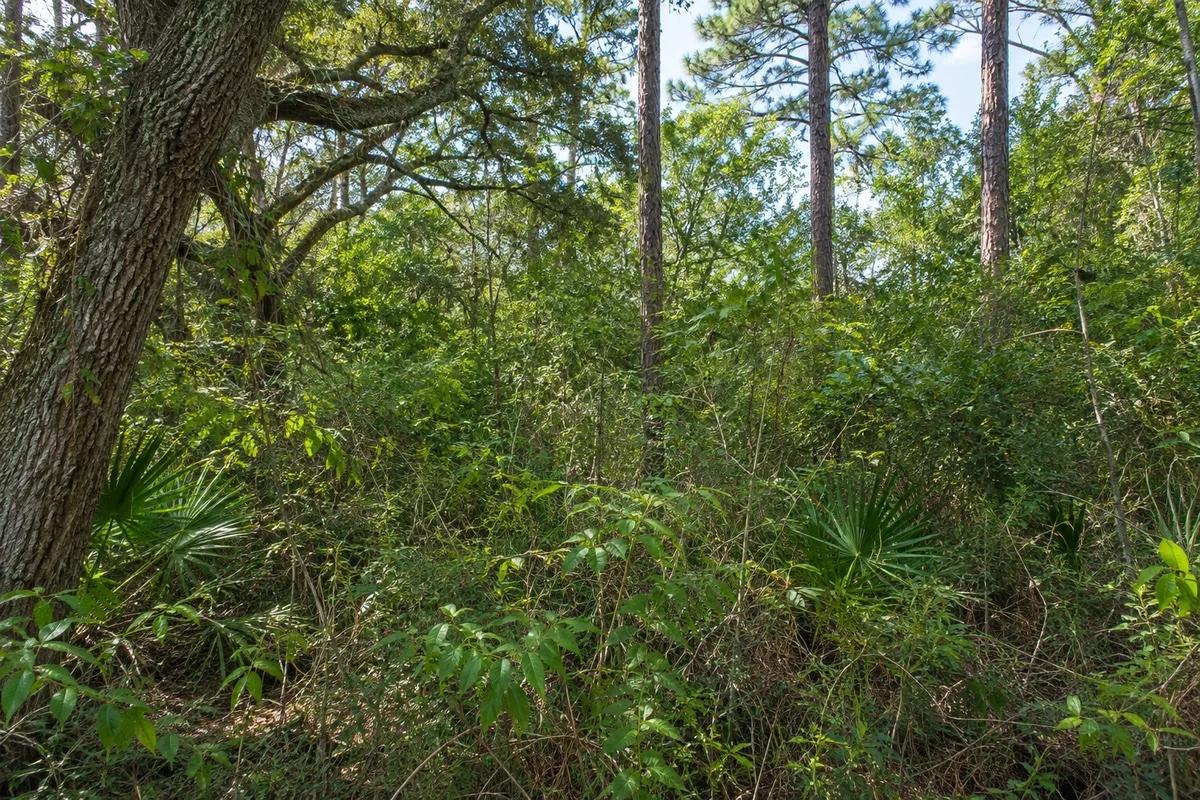
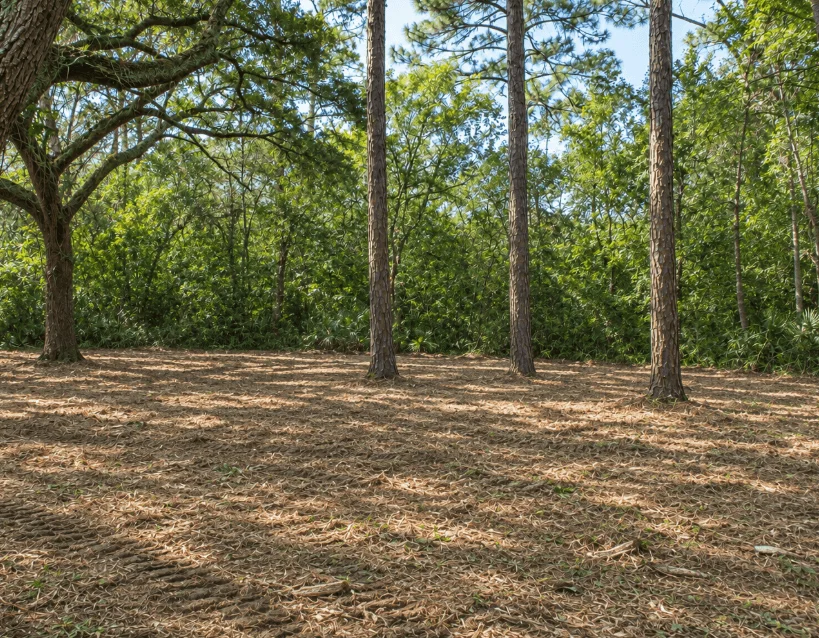
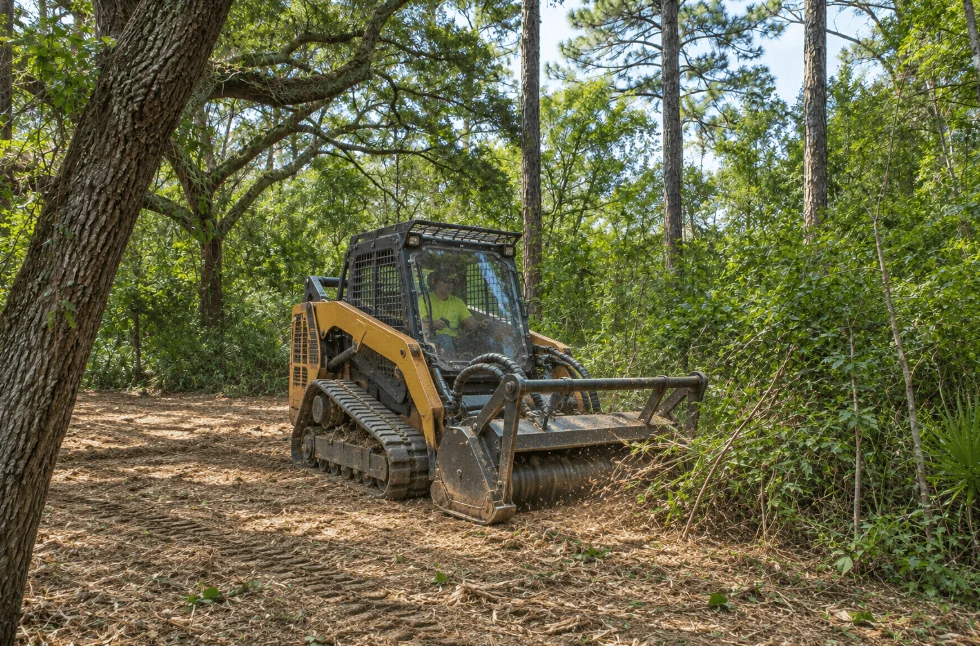
A customer in Johns Island wanted to open up a wooded area, but dense underbrush and smaller trees blocked access. We brought in our compact track loader with a forestry mulching head, mulched the thick growth and kept the marked trees the owner wanted to save. We left the material on the ground as mulch so the owner could walk and maintain the area more easily. The owner was pleased with the work we did.
- Project Budget
- $3,000
- Typical Timeline
- 1 day
Land Clearing in Ravenel, SC
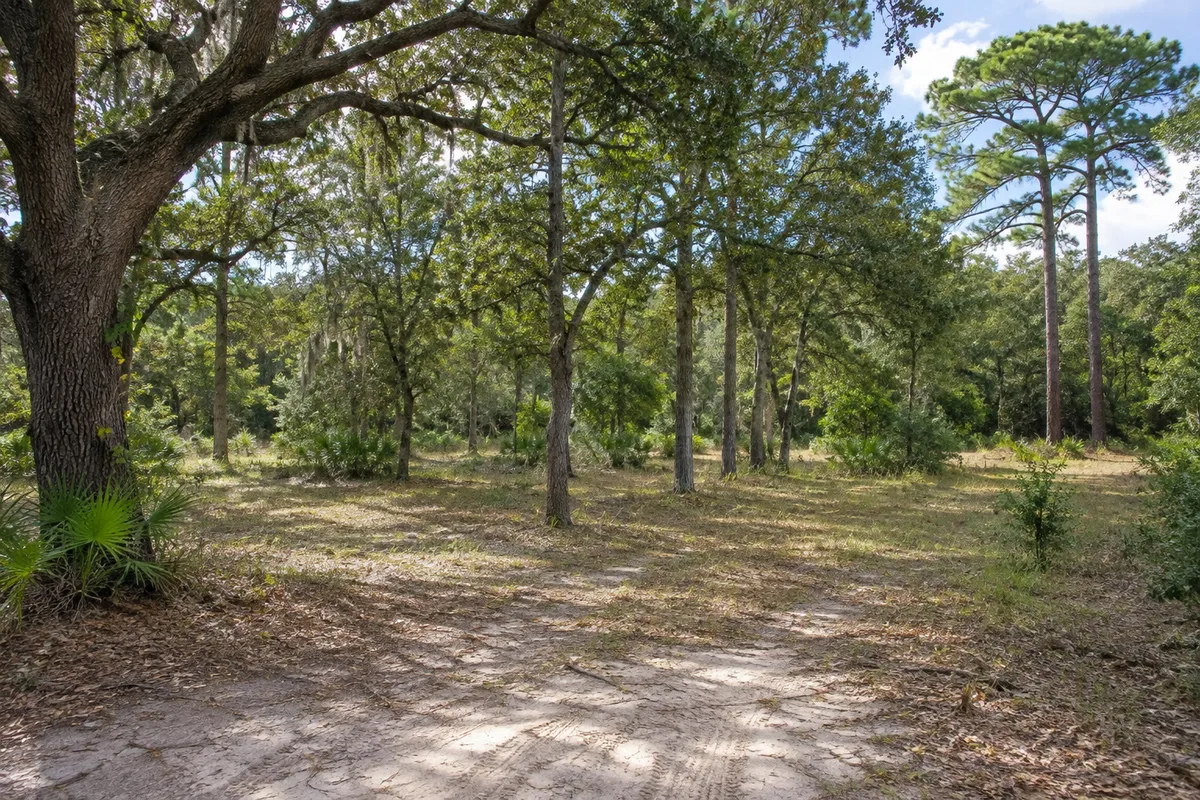
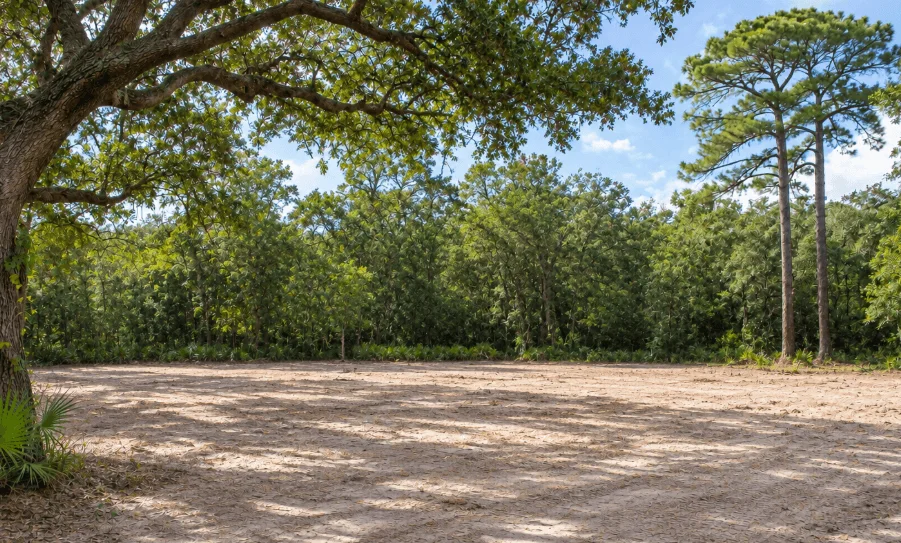
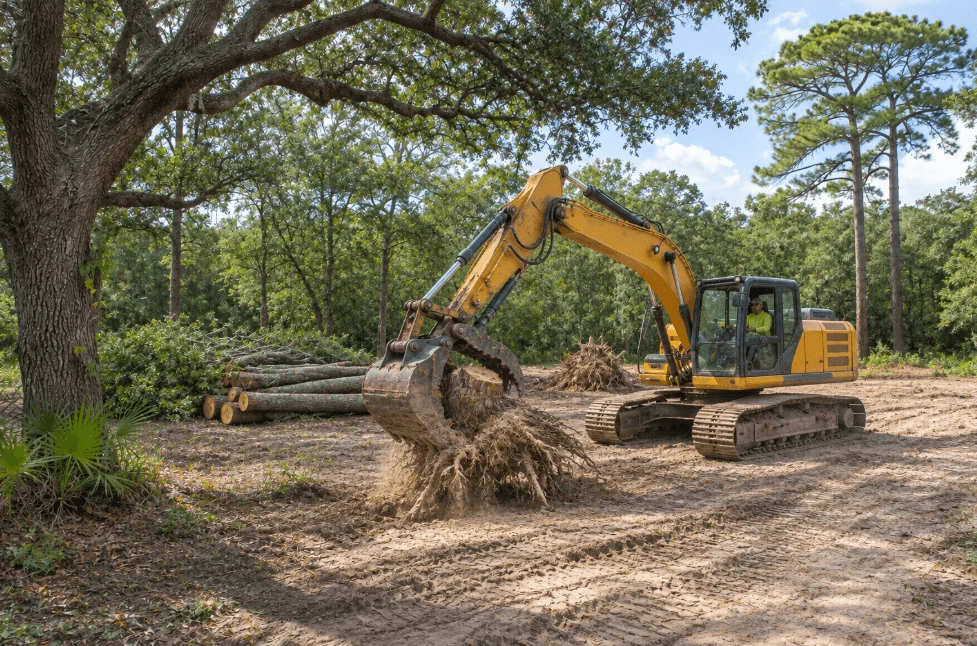
An owner in Ravenel needed a clear footprint for the next stage of property preparation, but unwanted trees, thick brush and stumps blocked the area. We brought in our tracked excavator with a bucket and hydraulic thumb, along with a stump grinder. We removed the agreed trees and brush, ground the specified stumps and hauled away the clearing debris while protecting the trees the owner wanted to keep. The owner was pleased with the cleaner, more usable space.
- Project Budget
- $5,000
- Typical Timeline
- 3 days
Bush Hogging in Hollywood, SC
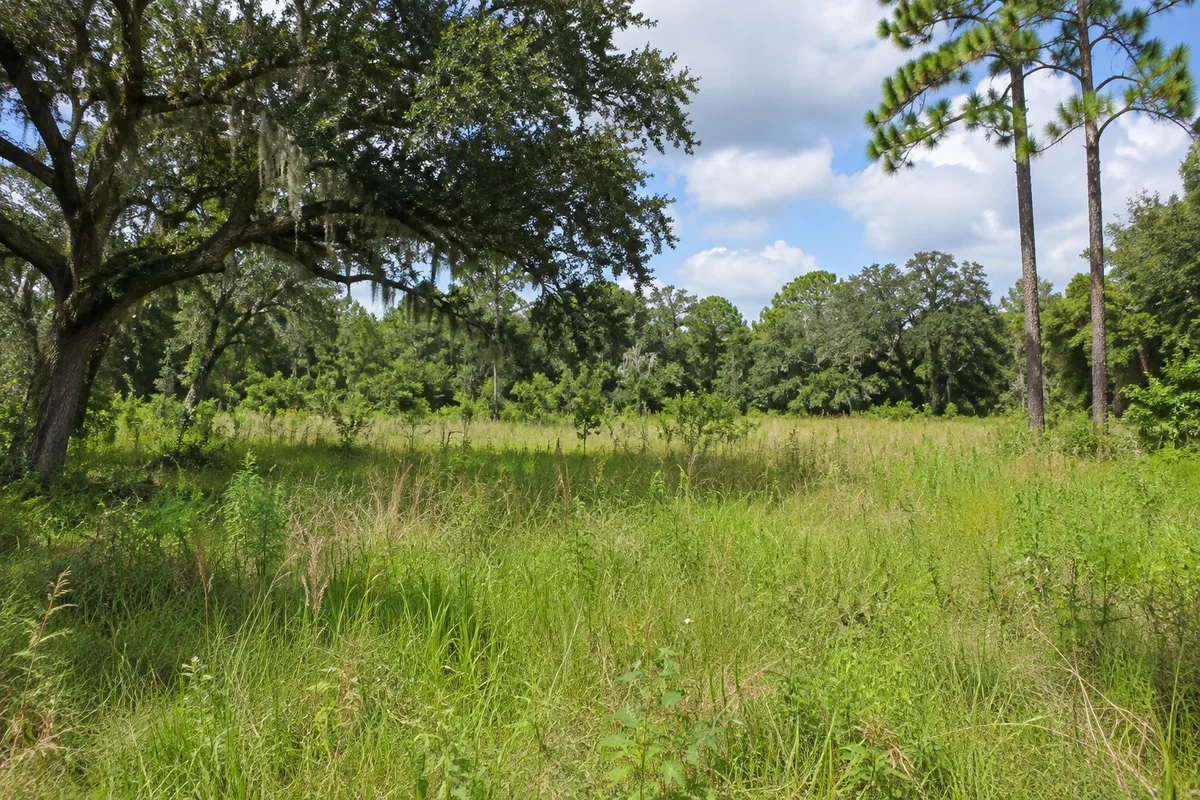
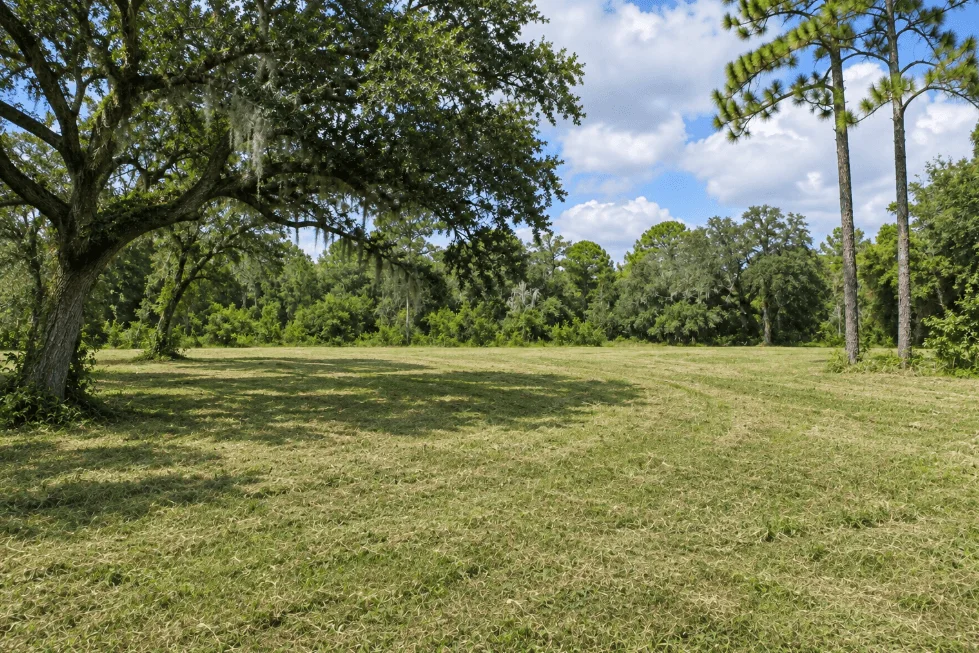
A property owner in Hollywood wanted to walk the field and enjoy the space, but tall grass, weeds and light brush had taken over. We brought in our Kubota tractor with a rear-mounted Land Pride bush hog and cut the overgrowth to a manageable height. We kept the surrounding trees and left the cuttings on-site. The owner was pleased with the work we did and could enjoy a field that was easier to walk and maintain.
- Project Budget
- $550
- Typical Timeline
- 3–4 hours
Land Clearing Services in Charleston, SC
- Shred underbrush, woody shrubs and small trees; stems up to 7 inches assessed individually.
- Controlled passes around the trees you want to keep.
- Mulch processed on-site; root removal and hauling are separate.
- Weeds and light brush with stems up to 1 inch in diameter.
- Planned cutting passes across fields, trails and fence lines.
- A manageable field finish while roots and surrounding trees remain.
- Cut and remove individual trees or agreed groups of trees.
- Handle trunks and branches with saws, grapples or an excavator.
- Confirm stump work, disposal and permits before starting.
- Cut high spots and spread soil across already-cleared ground.
- Fill agreed low spots and shape access or drainage routes.
- Specify fill, compaction and finish requirements.
Bush Hogging & Land Clearing Prices
| Service | Prices | Typical Scope |
|---|---|---|
| Bush Hogging | $300–$800 | Tall grass, weeds and light brush; small-project range. |
| Forestry Mulching | $1,500–$4,500 | Suitable brush and small trees mulched in place; project range. |
| Land Clearing | $2,500–$10,000+ | Vegetation removal within an agreed footprint; project range. |
| Tree Removal | $450+ | Per suitable individual tree; size and access affect price. |
| Grading | $2,500+ | Rough grading project; fill and drainage work quoted separately. |
General project ranges, not per-acre rates or fixed quotes. Acreage, vegetation, tree size, slope and equipment access affect price. Larger or difficult jobs can exceed these ranges. Stump work, hauling, permits and construction-pad preparation are quoted separately.
When Is Each Service the Right Fit?
Bush Hogging
Best for
- Weeds and light brush with stems up to 1 inch in diameter.
- Reclaiming overgrown fields with tall grass and weeds.
- Maintaining accessible trails and fence lines.
Not the right fit for
- Large trees, stumps or root removal.
- Preparing a finished construction pad.
Forestry Mulching
Best for
- Privet, thick underbrush and suitable small trees up to 7 inches in diameter.
- Underbrush and suitable saplings processed into on-site mulch.
- Selective clearing around trees you want to keep.
Not the right fit for
- Extracting large root balls or hauling all material away.
- Finished grading or a foundation-ready surface.
Land Clearing
Best for
- Permit-approved trees of all sizes, with equipment matched to the job.
- Stump and root work when included in your quote.
- Opening a homesite, barn area or access footprint.
Not the right fit for
- Routine grass maintenance on an open field.
- Work in protected areas before the required approvals.
What Equipment We Use
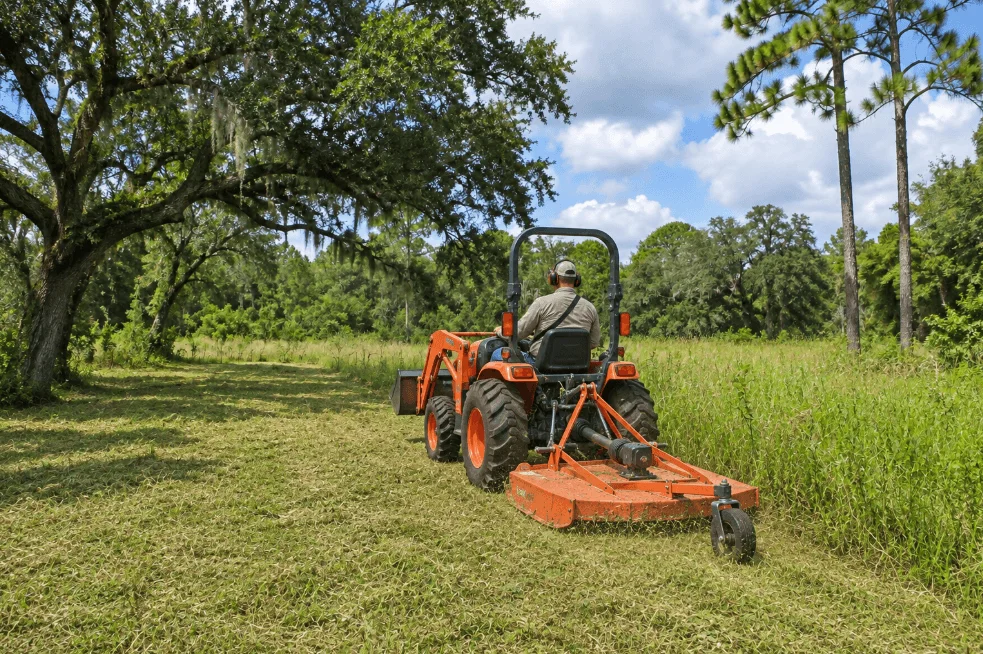
Kubota Tractor & Land Pride Bush Hog
We use a Kubota tractor with a rear-mounted Land Pride bush hog.
- Setup: A rear-mounted rotary cutter with a 60-inch cutting width.
- What it cuts: Tall grass, weeds and light brush with woody stems up to 1 inch thick.
- Best use: Maintaining open fields, trails, fence lines and overgrown acreage.
Track Loader & Forestry Mulcher
We use a compact track loader with a forestry mulching head.
- Setup: A front-mounted drum mulcher cuts brush and turns it into a layer of mulch.
- What it clears: Thick brush and small trees, typically 5–7 inches thick, depending on the tree and ground conditions.
- Best use: Opening overgrown lots, trails and wooded acreage. Mulch stays on-site, and roots remain in the ground.
Excavator, Bucket & Hydraulic Thumb
We use a tracked excavator with a bucket and hydraulic thumb.
- Setup: The bucket digs around roots, while the hydraulic thumb grips logs, brush and stumps.
- What it handles: Larger tree sections, stumps, root balls and heavy clearing debris.
- Best use: Full land clearing, removing roots and loading debris for hauling.
Vegetation & Trees We Handle in Charleston
Charleston’s upland fields, maritime woods and damp low areas grow differently. We match the method to the actual vegetation and ground, protect marked trees and keep marsh or wetland work separate.
Palmetto, Wax Myrtle & Yaupon
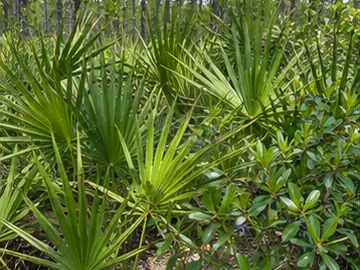
Charleston’s coastal woodlands can contain palmetto, wax myrtle and yaupon. These native plants can provide screening and habitat, while dense clumps may close in paths.
How we handle it: We mark the plants to retain and mulch suitable above-ground growth only within the agreed upland footprint. Roots remain unless separate work is specified.
Greenbrier & Tangled Vines
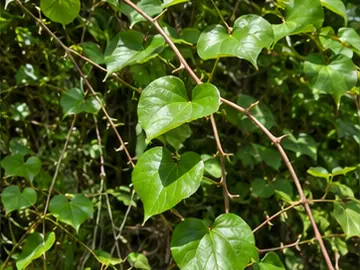
Native greenbrier can thread thorny vines through shrubs, fences and low branches around Charleston. Dense tangles can make useful ground hard to reach.
How we handle it: We assess the supporting brush, then cut or mulch suitable growth. Greenbrier can return from underground rhizomes, so follow-up maintenance may be needed.
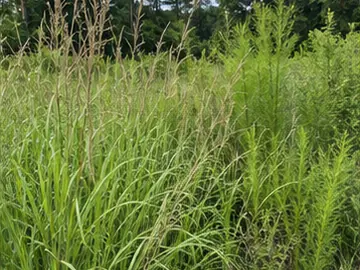
Tall Grass, Dogfennel & Field Weeds
Overgrown Lowcountry fields can hold tall grasses, dogfennel and broadleaf weeds, with blackberry canes along the edges. Thick growth can hide debris and uneven ground.
How we handle it: We bush hog suitable upland grass and light brush within the cutter rating, leaving cuttings and roots in place. Wet patches and heavier woody stems are assessed separately.
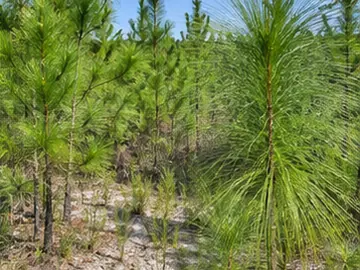
Pine, Sweetgum & Privet Regrowth
Loblolly pine and sweetgum saplings can close open lots. Invasive privet also forms dense thickets along disturbed ground and wooded edges.
How we handle it: We mark retained trees and mulch suitable smaller stems. Larger trunks, roots and debris hauling need a separate clearing plan; resprouting may require maintenance.
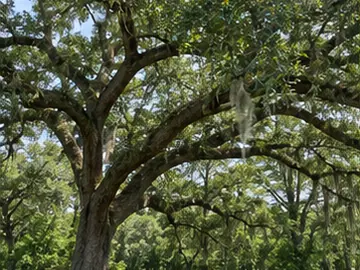
Live Oaks & Established Coastal Trees
Spreading live oaks, southern magnolias and coastal pines shape many Charleston properties. Large crowns and roots need room even when neighboring brush is removed.
How we handle it: We plan access around the trees being kept. Any removal is assessed for condition, surroundings and local approval, with stump work and hauling specified separately.
Land Clearing Questions,
Clear Answers.
Do I need approval to clear land in Charleston?
Requirements depend on the property’s jurisdiction, tree sizes, proposed disturbance and nearby wetlands or waterways. City of Charleston and unincorporated Charleston County have different rules. We review the clearing limits and required approvals before work begins. Tree removal, grading and development clearing may involve separate reviews.
What is the difference between bush hogging, mulching and clearing?
Bush hogging cuts tall grass, weeds and light brush with suitable stems up to about 1 inch. Forestry mulching shreds denser woody growth and suitable small trees, leaving mulch on-site. Land clearing handles agreed larger trees, specified stump/root work and debris removal.
Will forestry mulching remove roots and stumps?
Mulching processes suitable growth above ground and normally leaves buried roots in place. Stump grinding and root extraction are separate work. Tell us if the footprint will become a driveway or building area so the next preparation steps can be planned.
Is debris removal included?
Mulch and bush-hog cuttings normally stay on-site. For land clearing or tree removal, your quote specifies the debris to be hauled, processed or left in agreed locations. Stump grinding and root extraction are listed separately.
Are these prices per acre?
The displayed ranges are general project budgets. Tree removal is per suitable individual tree, and grading is priced by project. Acreage, vegetation, tree size, ground conditions, access and disposal affect the quote. Larger or difficult jobs can exceed the ranges.
How long will the work take?
Light field cutting may take hours; dense mulching or clearing with hauling can take longer. Weather, soil support, access and required approvals affect scheduling. We schedule the work around its scope, weather, access and required approvals.
Can you keep selected live oaks and other trees?
Yes. We mark the trees to retain and plan access around their trunks and root areas. Equipment traffic, material piles and grade changes can harm a tree even when the trunk stays. Required tree-protection areas are kept clear.
Can you clear along a marsh or wetland?
We identify the upland work area and sensitive edges before equipment arrives. Tidal marsh, wetlands and protected buffers require their own review. A machine’s ability to reach an area does not establish permission to clear it.
Does rough grading make a lot ready to build?
Rough grading creates an agreed ground shape. A construction pad may also require engineered elevations, approved drainage, suitable fill, compaction testing and inspections. We define the handoff with the next contractor.
Will privet or greenbrier grow back?
They can. Cutting or mulching removes the visible growth, but surviving roots may produce new shoots. We discuss a maintenance plan and any separately arranged vegetation treatment rather than promising permanent control in one visit.
Do all Lowcountry shrubs need to be removed?
No. Wax myrtle, yaupon and other native understory can provide screening and habitat. We agree on what to retain, open usable routes and focus the work on your property goals. Native shrubs and invasive privet are assessed separately.
Areas We Service
- Awendaw, SC
- Folly Beach, SC
- Goose Creek, SC
- Hanahan, SC
- Hollywood, SC
- Isle of Palms, SC
- James Island, SC
- Johns Island, SC
- Kiawah Island, SC
- Ladson, SC
- Lincolnville, SC
- Meggett, SC
- Mount Pleasant, SC
- North Charleston, SC
- Ravenel, SC
- Rockville, SC
- Sangaree, SC
- Seabrook Island, SC
- Sullivan’s Island, SC
- Summerville, SC